
If this is not done, the company has failed to use the NRV method in the accounting process properly. Since the carrying value of the machine is lower than the NRV, we will keep on reporting the machine at its carrying value. NRV for accounts receivable is a reference to the net amount of accounts receivable that will be collected. This is the gross amount of accounts receivable less any allowance for doubtful accounts reducing the total amount of A/R by the amount the company does not expect to receive.

Net Realizable Value (NRV) is the value at which an asset can be sold in the market by the company after subtracting the estimated cost of selling it. The net realizable value of inventory is the difference between the expected sales price and the expected costs of selling the inventory. This is the amount the company expects to realize from selling these laptops after accounting for additional costs. This value would be used in a financial statement to report the inventory value. According to the conservatism principle in cost accounting, assets should be recorded at a lower cost or net realizable value.
Listed below is a series of steps that one must consider for a reliable NRV analysis. Gross A/R doesn’t take into account the likelihood of customers paying their bills, which can be a problem if a company has a history of customers not paying up. A high Net Realizable Value (NRV) indicates that a company expects to collect a significant portion of its receivables, suggesting balance sheet effective credit policies and collection efforts. However, NRV calculation requires significant judgment and subjectivity, especially in the absence of active markets for goods or services.
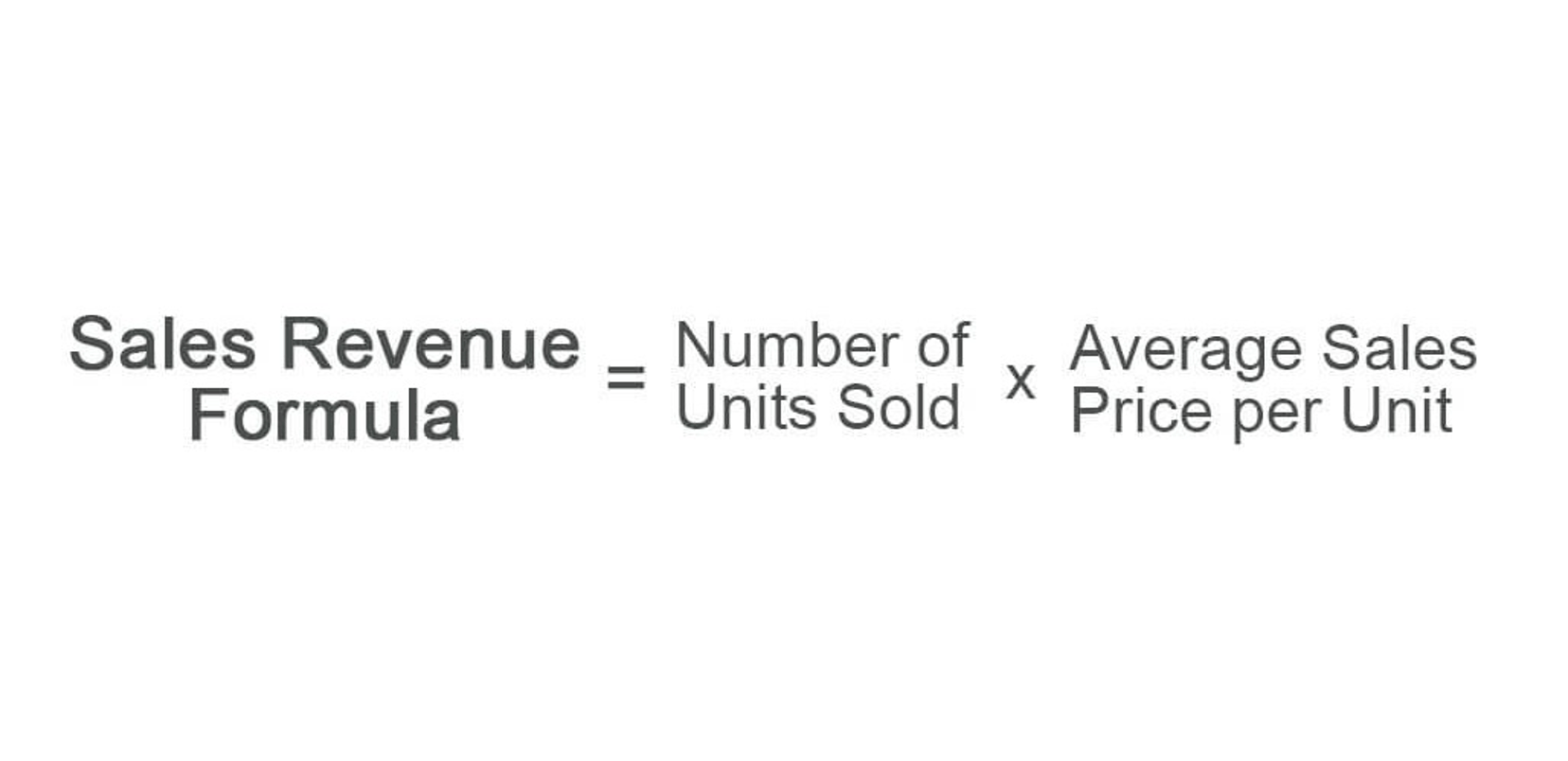
NRV is used in the United States and internationally under different accounting rules. NRV prevents the overstatement of asset values because it represents their true value, which ensures accurate accounting and reporting. This method is particularly useful for companies dealing with rapidly changing markets and fluctuating demand, as it takes into account the current market value of inventory. Incorrect NRV estimation can significantly affect the financial statements, leading to inventory and receivables overvaluation or undervaluation. This can affect profitability, asset valuation, and critical financial KPIs, potentially misleading stakeholders. Regulatory and compliance issues can also complicate the process, as different accounting frameworks will have varying requirements regarding the calculation and NRV reporting.

This figure is closely tied to the net realizable value method, however, the net realizable value formula disadvantages include reliance on assumptions about future sales, which can be speculative. NRV is particularly important for businesses that stock items subject to rapid changes in market value or obsolescence, like electronics or fashion goods. This reflects the broader trend where methods such as FIFO and LIFO influence how inventory items are accounted for and managed.
Accounting approaches that incorporate the takeaways net realizable value offer yield a conservative yet proactive stance in asset and inventory management. Online Bookkeeping According to the notion of lesser cost or net realizable value, inventory should be recorded at the lower of its cost or the price at which it can be sold. The estimated selling price of something in the regular course of business, less the completion, selling, and shipping costs, is known as the net realizable value. NRV has been a fundamental principle in accounting for decades, especially in the valuation of inventory under the lower of cost or market rule.
These ensure that the inventory is not reported at an amount more significant than the company expects to earn by selling it. NRV is relevant for businesses with inventory that is subject to spoilage, obsolescence, or changes in fair market value. If net realizable value method is applicable, the following formula should be used to compute the value of stock on consignment. (2) Dividend yieldsThe dividend yield is the relationship between the dividend and the share price. This approach is more appropriate to purchasers of minority stakes in a company because minorities receive dividends and have no access to earnings.