
Managing payroll involves various expenses, tax withholdings, and liabilities. A double-entry system helps you stay compliant and ensures your wage-related accounts stay balanced. As your business adds new customers, products, or locations, your finances naturally get https://www.bookstime.com/ more complicated.

Moreover, double-entry bookkeeping enhances financial reporting and analysis. By providing a detailed record of all financial activities, it allows for more informed decision-making. Business owners and stakeholders can assess performance trends, profitability, and cash flow more effectively, leading to better strategic planning. Another significant benefit of double-entry bookkeeping is its ability to facilitate error detection. Since each transaction involves both a debit and a credit, discrepancies can double entry accounting meaning be identified more easily when accounts are reconciled.
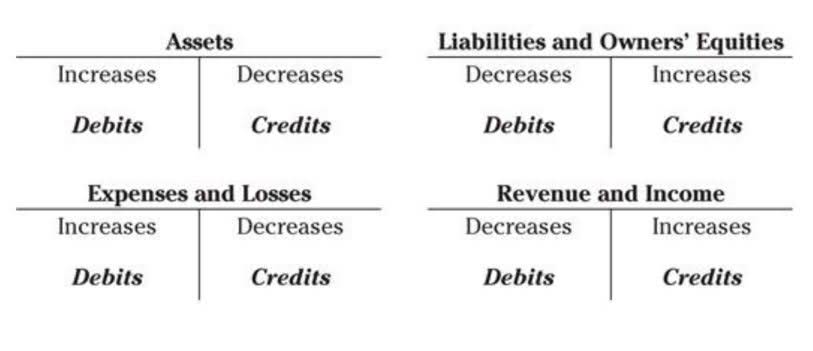
The Dual Aspect Concept is based on the fundamentals of accounting principles. All the transactions related to the business are recorded in the book which is specifically based on the principle of accounting. Increases in equity accounts are recorded as credits, while decreases are recorded as debits. Single-entry accounting may be appropriate for very small businesses, as there is much less data and variables to account for.

This transparency is crucial for maintaining a positive reputation and ensuring compliance with accounting standards and regulations. Moreover, comprehensive financial insights derived from double-entry accounting facilitate better cash flow management. By understanding the timing of cash inflows and outflows, businesses can anticipate potential liquidity issues and plan accordingly.
Let’s look at some practical examples and solutions to understand how this works. A key reason bookkeeping for using double entry accounting is to be able to report assets, liabilities, and equity on the balance sheet. Without double entry accounting, it is only possible to report an income statement. This means that determining the financial position of a business is dependent on the use of double entry accounting.

This visibility enables management to make informed decisions regarding budgeting and resource allocation. Since all transactions are systematically recorded, auditors can easily trace financial activities and verify the accuracy of financial statements. This organized approach not only streamlines audits but also enhances the credibility of the financial reporting process. To maintain the integrity of double-entry accounting, regular reconciliations and reviews of accounts are essential. Periodic checks help identify discrepancies and ensure that all transactions are correctly recorded.